Seed Collection Stories 2026: NM YCC Crew
by Makai Pope, Nylah Andrews, Tucker Hastings, Katia Chavez, and Dow Swart
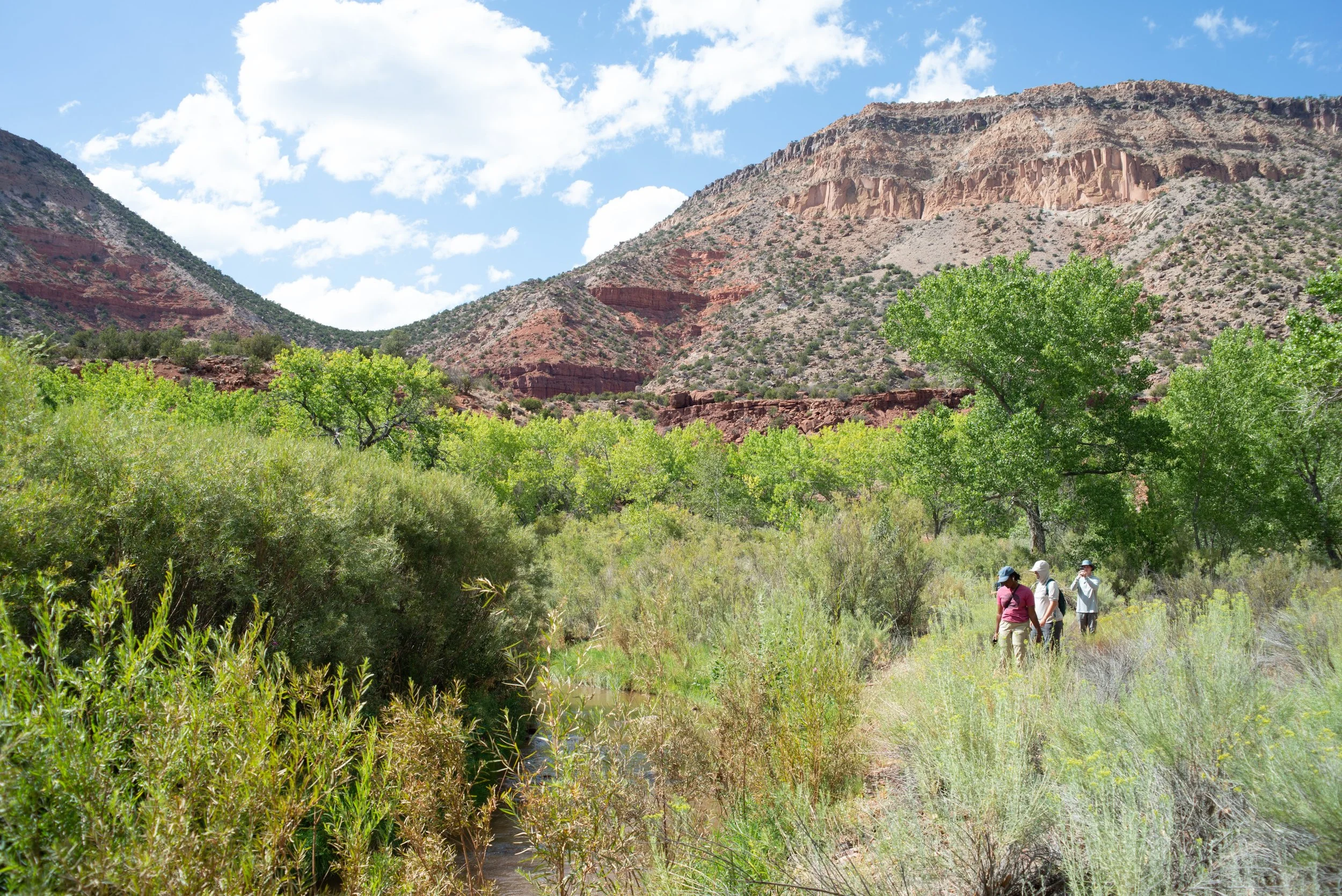
Seed Scouting in the southern Jemez.

Seed Scouting along the Windsor Trail near the Santa Fe Ski Basin.
In an extraordinarily dry July, the five of us: Makai Pope (Crew lead), Tucker Hastings, Dow Swart, Nylah Andrews and Katia Chavez, started as the New Mexico Youth Conservation Corps team for IAE. With the aim of helping the Southwest Seed Partnership and the River for Pollinators project, our season has taken us across the state meeting plenty of interesting people, challenges, and, of course, plants.
From the beginning of the summer, we spent one day a week helping to establish protocols and collecting brand new information for the Xerces Society Bumble Bee Atlas as well as gathering data for the Integrated Monarch Monitoring Program. From the Jemez mountains to the Rio Chama and Rio Grande, we captured, photographed, identified, and released over fifty bees, accounting for at least four different species (and only two crew members got stung). Working with these bumble bees was a highlight of the season for many of us. In two field sites we tracked the phenology of milkweed populations, as well as searched for monarch butterfly eggs and caterpillars. We unfortunately only found a few eggs and no caterpillars or butterflies in any of our sites, emphasizing the need for restoration and protection of the wildlife resources across the watershed.
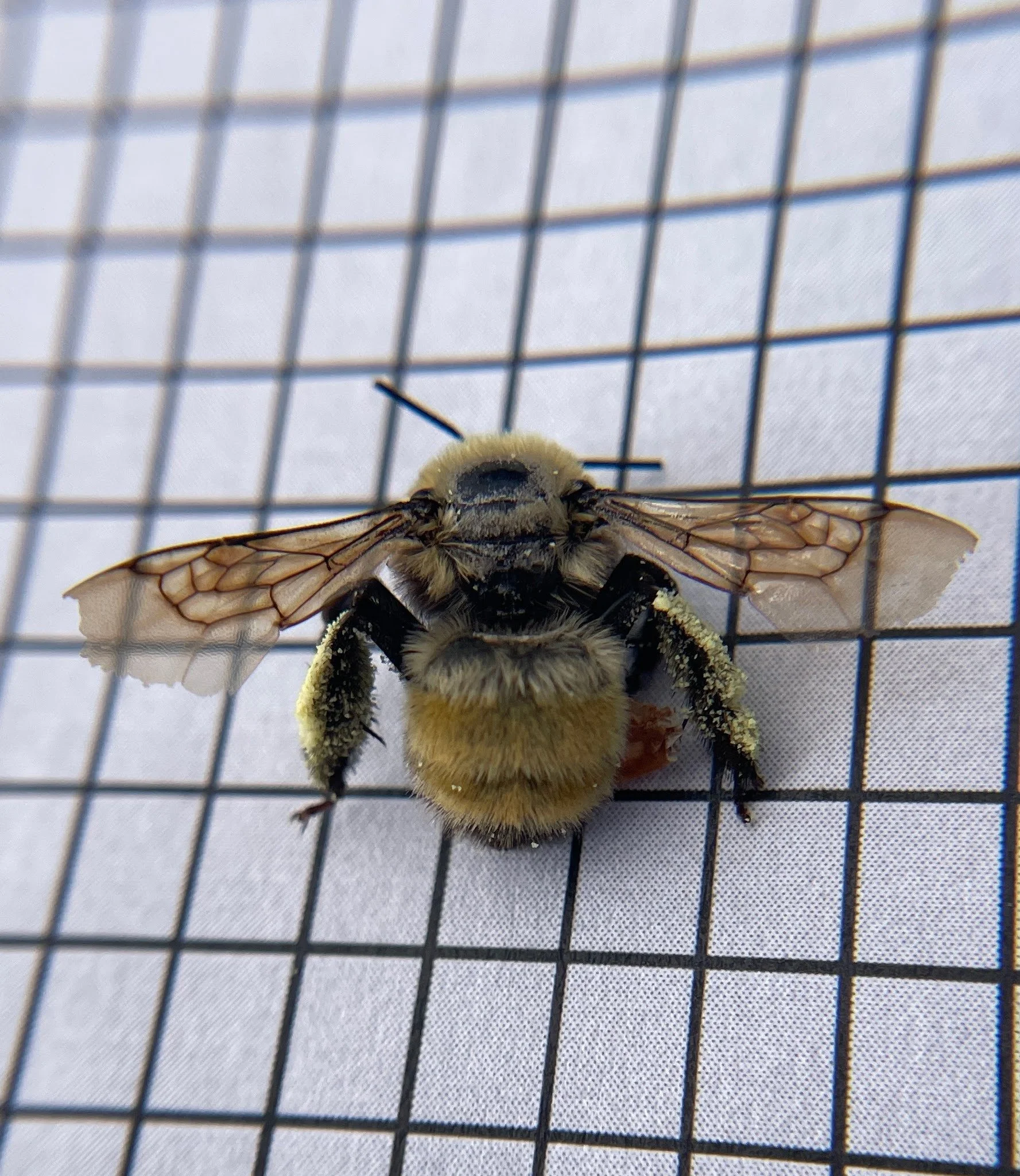
Bombus pensylvanicus - Jemez Mountains.
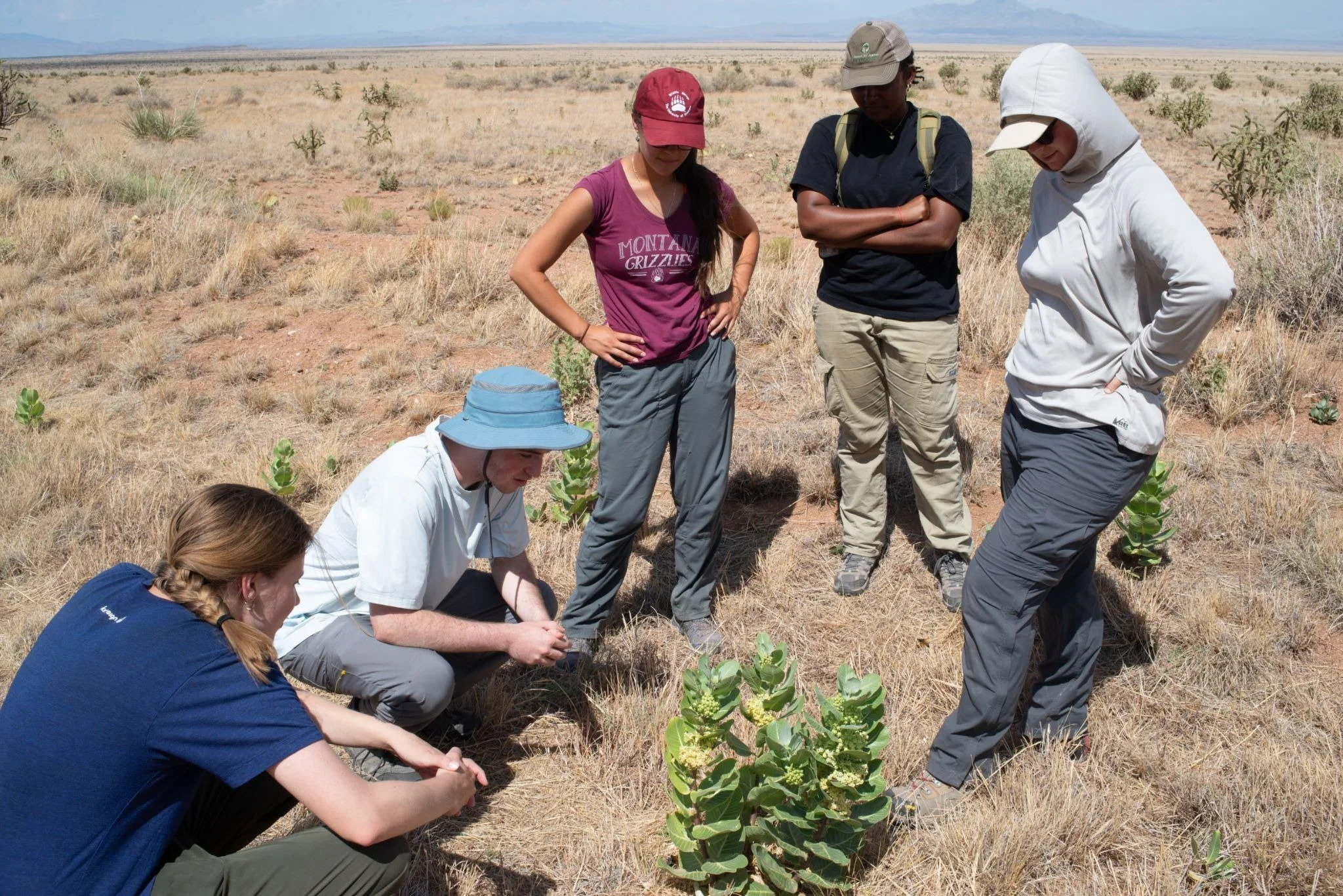
The crew studies the explosion of pollinators on an Asclepias latifolia in Sevilleta National Wildlife Refuge with our wonderful supervisor Lani DuFresne.
Some of our most important partners in these efforts are the local farmers who grow native grass and wildflower seeds for restoration plantings, and we were able to spend time on farms from Abiquiu to Isleta to Ledoux. We spent time weeding, planting, laying irrigation lines, harvesting seed and meeting some furry friends along the way. The best part, however, was talking to the passionate farmers and learning about the challenges of conservation from a new perspective. Most farmers spoke about the unusual but severe lack of rain this season. Despite their struggles, they still made us feel welcome, with generous offerings of wonderful curries, seeds, herbs, and advice.
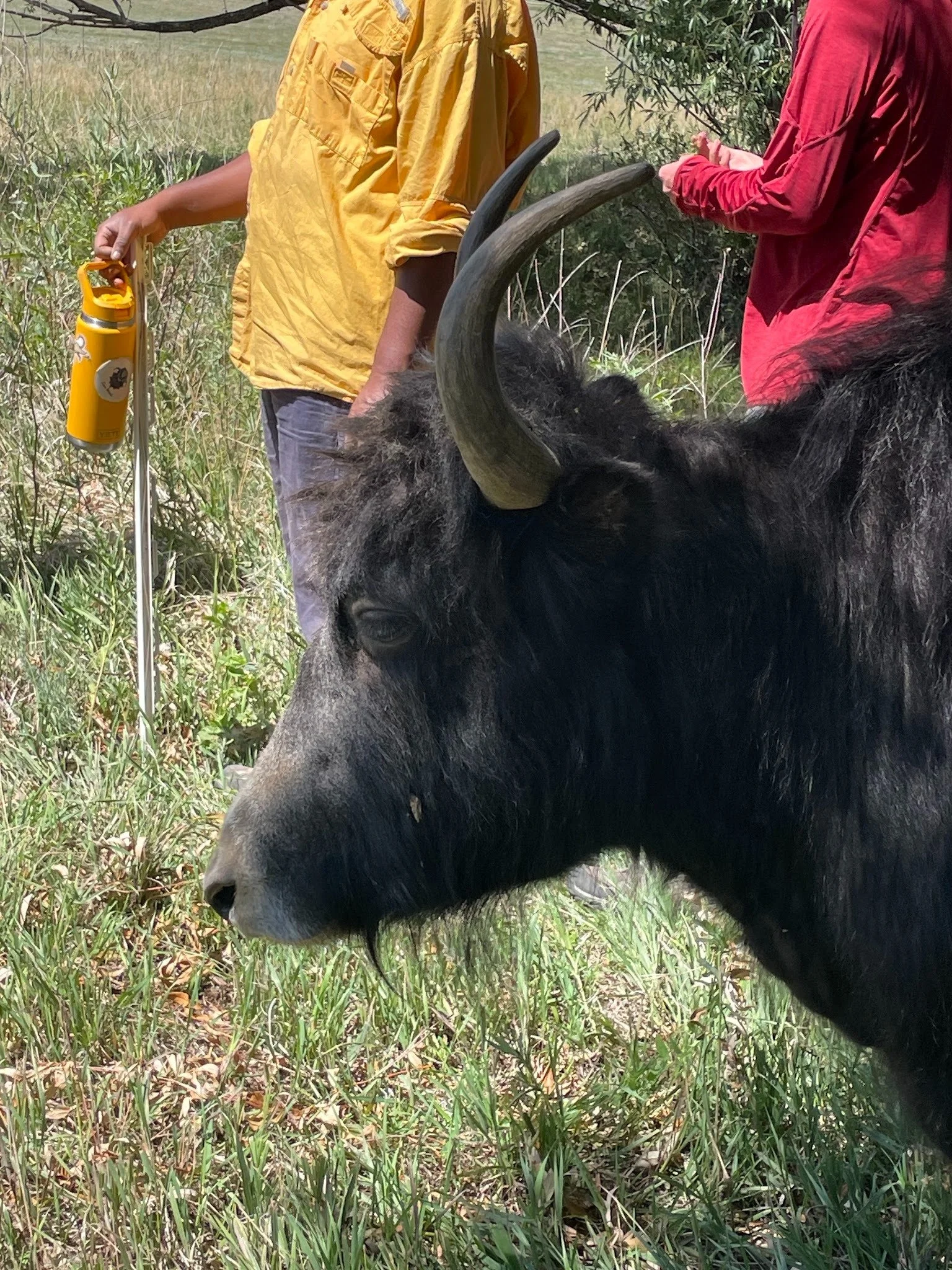
“Poptart” one of two Himalayan yaks who calls Ledoux Grange her home.

Planting a hedgerow at Santa Ana Pueblo Nursery with IAE’s EPA crew.
A large chunk of our season was spent on wild seed collections. Our very first was a Yucca population in the Sevilleta National Wildlife Refuge, which made a scenic introduction to the season. Despite a dry year leading to smaller populations and more cryptic seeds, we collected sunflowers, fleabanes, milkweeds, and more, for a total of 12 species and 19 collections. A particularly challenging collection was our showy milkweed population north of Abiquiu, whose seed dispersal seemed impossible to predict (though none of us complained about getting to visit that especially scenic bit of the Rio Chama).

An undescribed Aphylon sp. parasitizing Ericameria nauseosa at the Española Department of Transportation restoration site.
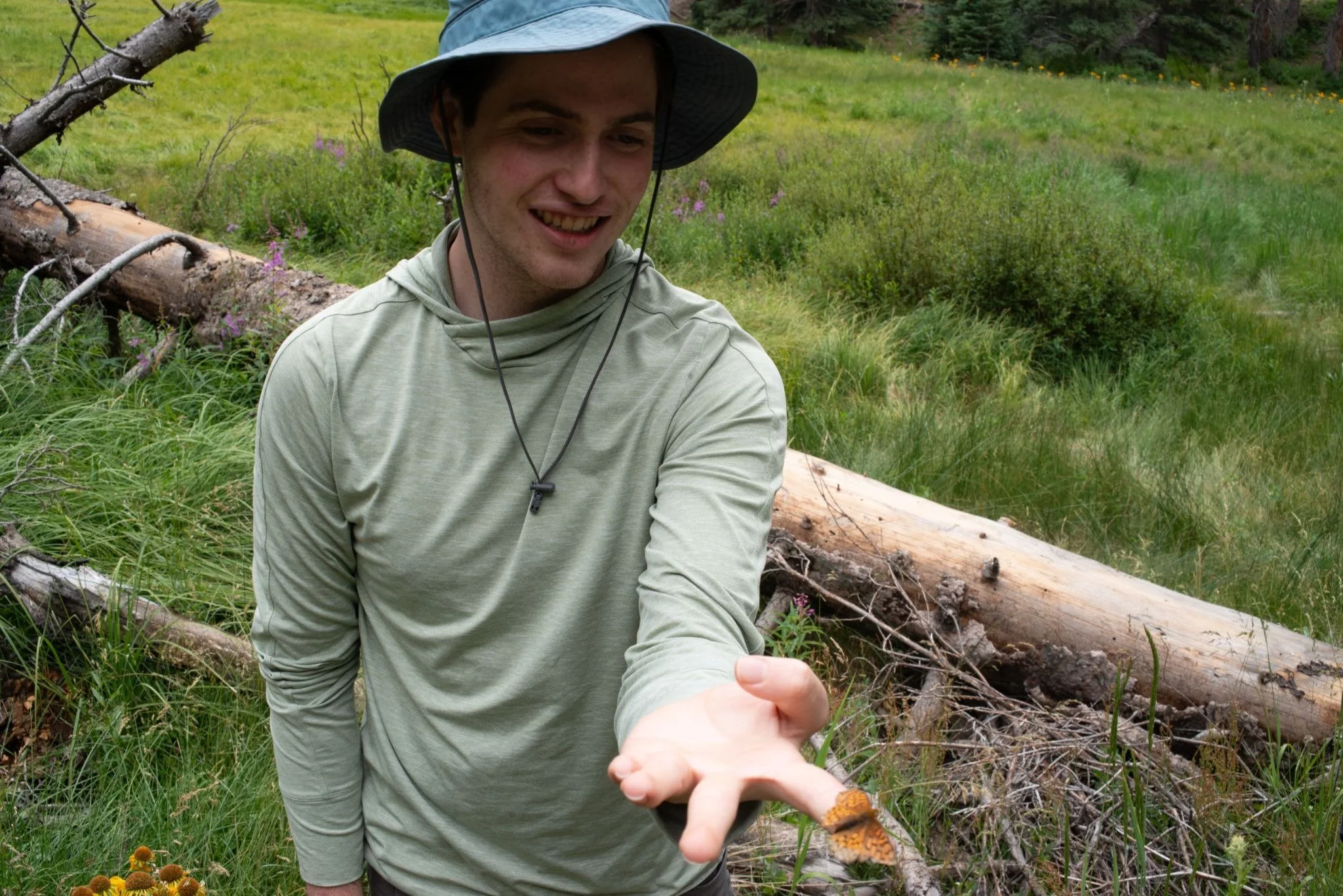
Makai with a fritillary butterfly (possibly genus Argynnus) in the Santa Fe Ski Basin.
For office work or rainy day activities, the crew helped sort thousands of photos from camera traps set up at each of the restoration sites associated with the River for Pollinators project. These data collection efforts were intended to assess the importance of hummingbirds as pollinators at each of the sites across the state. We sorted hummingbird photos and also identified other bird species found at the sites. Additionally, we entered all of our bumblebee data into the Xerces database, careful to also enter the many surveys where we did not find bumblebees or any other pollinators. The crew was also in charge of caring for and collecting the seeds from bog violets to be used in future restoration projects. Other office tasks throughout the season included seed cleaning for our collections and helping out with rare plant seed cleaning and sorting when needed.
Some notable mentions from the season include Makai’s calabacitas, Alamogordo’s Giant Pistachio, some particularly dramatic canyon vistas, and lots of wildlife sightings.
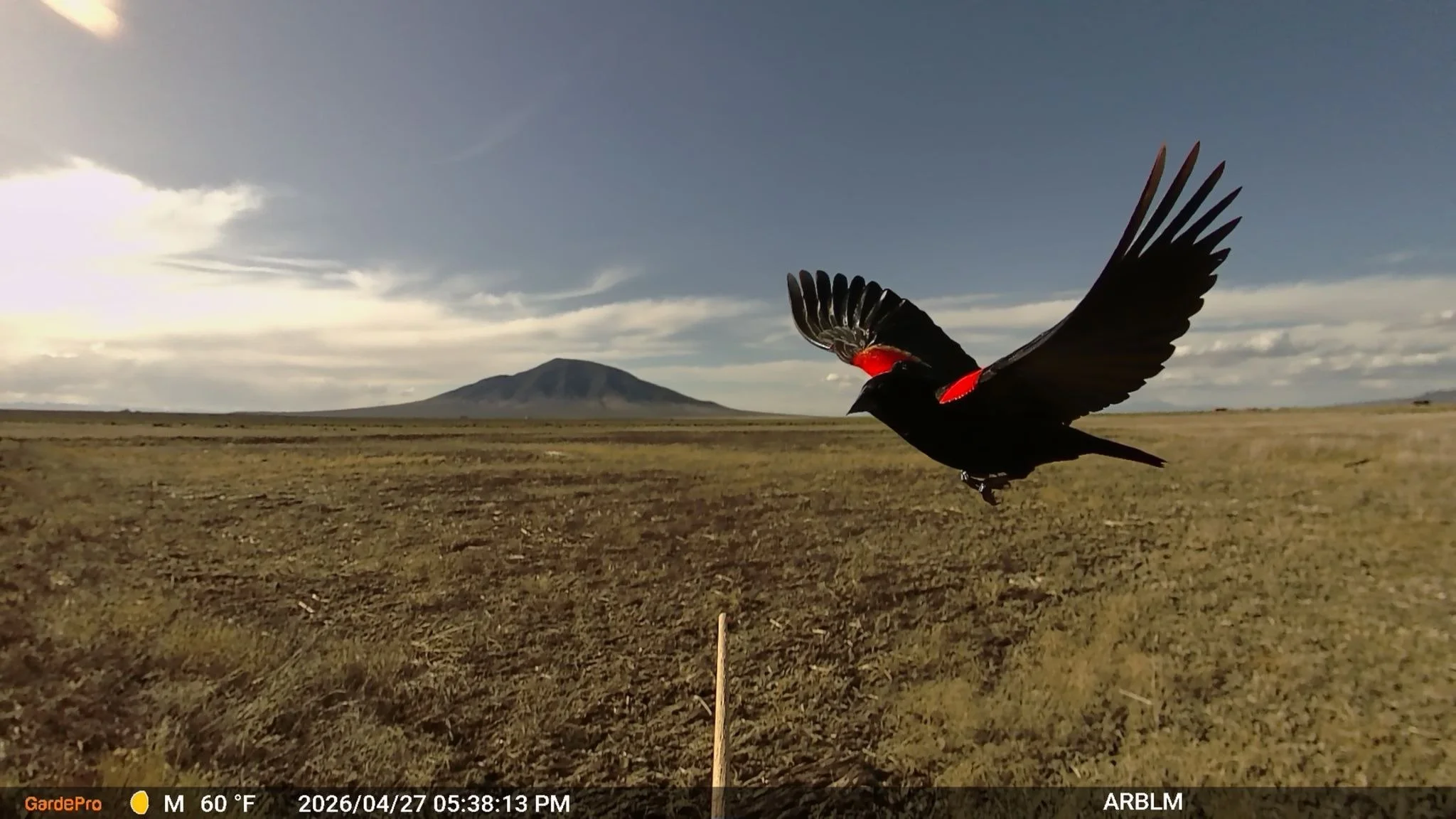
A Red-winged Blackbird captured at the River for Pollinators restoration site near Questa.
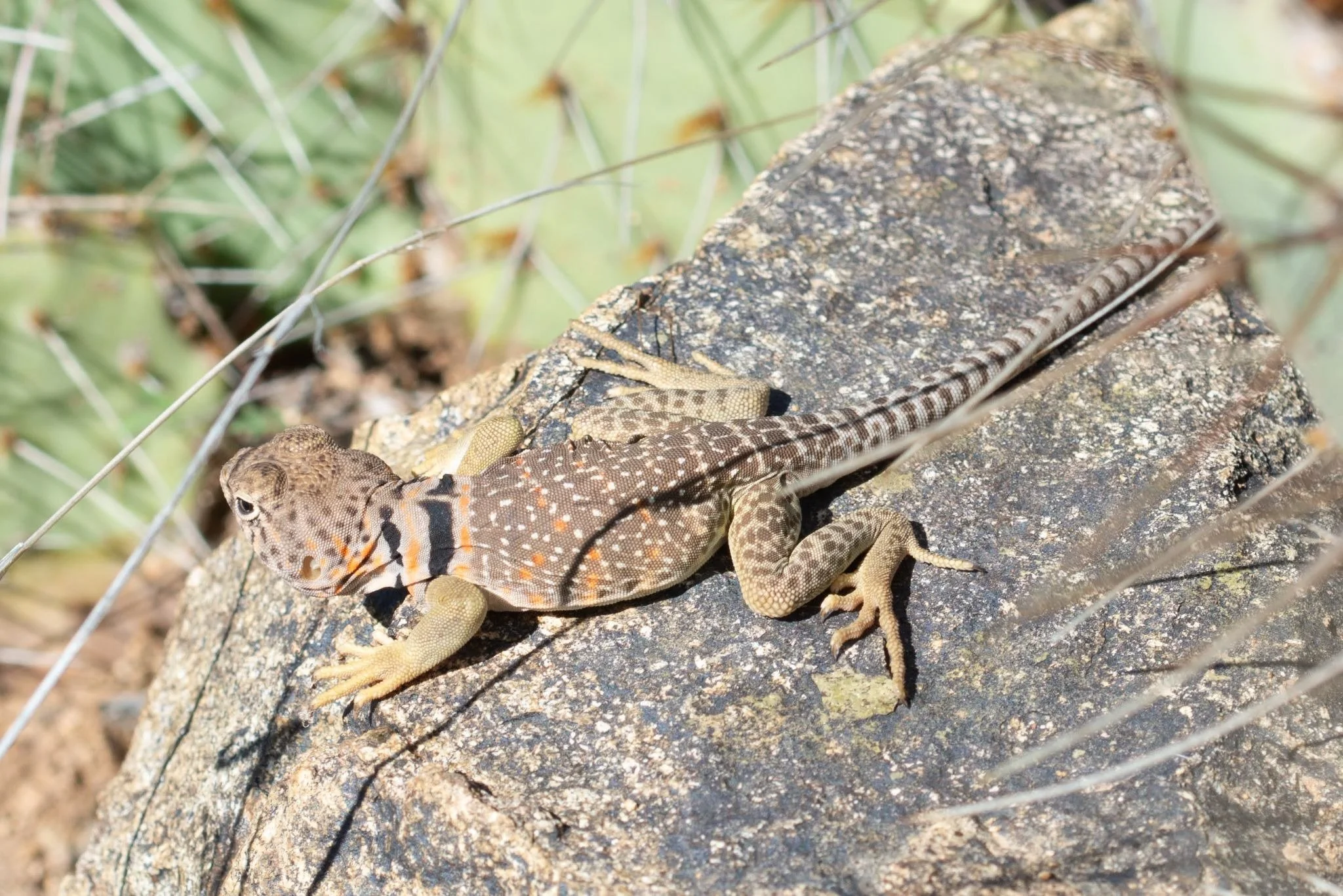
Eastern Collard Lizard, Crotaphytus collaris, (juvenile) - Cerrillos Hills State Parks.